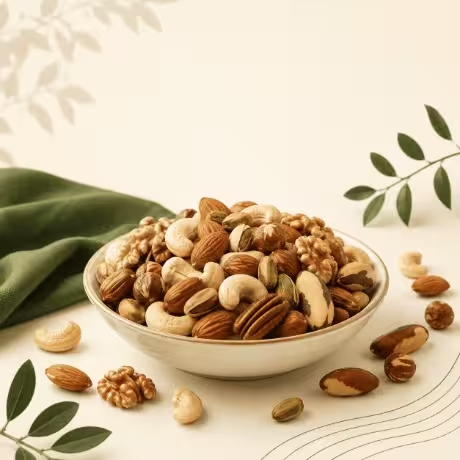
Dry fruits are a convenient way to add flavour, texture and nutrition to everyday meals and snacks. But how you store dry fruits matters just as much as the quality you buy.
Exposure to heat, moisture, air and sunlight can affect the freshness, texture and flavour of dry fruits and nuts. This is especially important in India, where hot summers and humid monsoons can make food storage more challenging.
The good news is that proper dry fruit storage is simple. With an airtight container, the right temperature and a few everyday habits, you can help keep almonds, cashews, walnuts, raisins, dates and other favourites fresh for longer.
What Is the Best Way to Store Dry Fruits?
The best way to store dry fruits is to keep them in an airtight container in a cool, dry and dark place. For longer storage, particularly during India’s hot or humid weather, refrigeration can be a better option for many nuts and dry fruits.
Follow these simple dry fruit storage tips:
- Store dry fruits in airtight containers.
- Keep them away from direct sunlight.
- Avoid warm areas such as near the stove or oven.
- Protect them from moisture and humidity.
- Use clean, completely dry spoons and hands.
- Refrigerate larger quantities when appropriate.
- Keep different types of dry fruits separately.
If you’re stocking your pantry, explore AnnGhar’s premium dry fruits for everyday favourites.
Why Proper Dry Fruit Storage Matters
Dry fruits and nuts contain natural oils and, depending on the product, varying amounts of moisture. Poor storage can gradually affect their taste, aroma and texture.
Exposure to heat and oxygen can affect the natural oils in nuts, while excess moisture can affect the texture and quality of dried fruits.
Proper storage helps protect dry fruits from:
- Heat
- Humidity
- Moisture
- Air exposure
- Direct sunlight
- Unwanted food odours
- Insects and contamination
This is why simply keeping an opened packet on the kitchen counter isn’t always the best approach.
1. Store Dry Fruits in an Airtight Container
One of the easiest dry fruit storage tips is to use an airtight container.
You can use:
- Glass jars with airtight lids
- Food-grade storage containers
- Airtight stainless-steel containers
- Resealable food-safe pouches
Once a packet is opened, transfer the contents to a clean, dry and airtight container if the original packaging isn’t adequately resealable.
Why Does Airtight Storage Help?
An airtight container reduces unnecessary exposure to air and humidity and also helps prevent dry fruits from absorbing strong smells from other foods.
For larger purchases, consider dividing the quantity into smaller containers. Keep one container for regular use and leave the rest sealed until needed.
2. Keep Dry Fruits Away From Heat and Sunlight
Heat is one of the biggest factors to consider when deciding how to store dry fruits at home.
Avoid keeping dry fruits:
- Beside the gas stove
- Near an oven
- On a sunny countertop
- Near a window receiving direct sunlight
- Inside a warm cabinet
Instead, choose a cool and dark cupboard for dry fruits that you plan to consume relatively soon. For longer storage, refrigeration can be useful.
3. Should You Refrigerate Dry Fruits?
Yes, you can refrigerate dry fruits and nuts, particularly when you need to store them for longer or live in a hot and humid environment.
This can be especially useful for nuts that contain natural oils. However, don’t simply place an opened packet inside the refrigerator. Store the product in an airtight container or properly sealed pouch.
This helps protect dry fruits from:
- Refrigerator moisture
- Food odours
- Condensation
- Repeated exposure to air
Dry Fruits in a Cupboard vs Refrigerator
| Storage Situation | Recommended Option |
|---|---|
| Small quantity for everyday use | Cool, dry cupboard |
| Hot Indian summer | Refrigerator |
| Humid monsoon weather | Refrigerator when appropriate |
| Large quantity | Airtight container and refrigeration when appropriate |
| Longer-term nut storage | Airtight refrigerated or freezer-safe storage |
Always follow the storage instructions and best-before information provided on the product packaging.
4. Protect Dry Fruits From Moisture
If you’re wondering how to keep dry fruits fresh, controlling moisture is essential.
Humidity can affect the texture of dried fruits and can contribute to quality and spoilage issues when food is stored improperly.
To protect your dry fruits:
- Always use a dry spoon.
- Don’t put wet hands into the container.
- Don’t store containers beside the kitchen sink.
- Close the lid immediately after taking out the required quantity.
This is particularly important during the Indian monsoon, when humidity levels can be considerably higher.
5. Store Different Dry Fruits Separately
It may be tempting to put almonds, cashews, walnuts, raisins and dates into one large jar, but separate storage is generally better.
Different dry fruits have different characteristics and storage requirements.
- Almonds: Protect them from heat, air and moisture.
- Cashews: Store them away from excessive heat.
- Walnuts: Benefit from cooler storage for longer periods.
- Raisins: Need protection from excess humidity.
- Dates: Naturally contain more moisture than many nuts and should be stored appropriately.
You can organise your pantry with AnnGhar’s premium nuts and healthy seeds .
How to Store Almonds
Almonds are one of the most popular dry fruits for everyday snacking and breakfast.
For regular consumption:
- Keep almonds in an airtight container.
- Store them in a cool, dark place.
- Avoid direct sunlight and heat.
- Refrigerate them when storing larger quantities or during hot weather.
For your pantry, explore California Almonds (Badam) .
How to Store Cashews
Cashews have a naturally rich and creamy texture and contain natural oils, so protecting them from heat and air is important.
- Use an airtight container.
- Keep cashews away from direct sunlight.
- Avoid storing them beside cooking appliances.
- Refrigerate larger quantities when appropriate.
Explore Premium Cashew Nuts (Kaju) for your pantry.
How to Store Walnuts
Walnuts contain natural oils and can benefit from cooler storage, particularly when you aren’t planning to consume them quickly.
For longer storage:
- Use an airtight container.
- Keep walnuts refrigerated.
- Protect them from moisture.
- Avoid storing them alongside strongly scented foods.
Explore Premium Walnut Kernels for your pantry.
How to Store Raisins
Raisins are naturally sweet and contain more moisture than many nuts. To maintain their texture, proper storage is important.
- Keep raisins in an airtight container.
- Store them away from humidity.
- Use a clean and dry spoon.
- Refrigerate when appropriate for longer storage.
Explore Premium Raisins (Kishmish) for everyday snacking.
How to Store Dates
Dates are naturally softer and contain more moisture than many traditional nuts.
After opening a packet:
- Seal it properly.
- Keep it in a cool place.
- Refrigerate when appropriate.
- Prevent exposure to moisture and contaminants.
- Follow the storage instructions on the package.
For your pantry, explore Premium Dates (Khajoor) .
How to Store Dried Apricots
Dried apricots should be kept protected from excess moisture and heat. After opening, use an airtight container and store them in a cool, dry place. Refrigeration can be considered for longer storage depending on the product’s packaging and storage instructions.
Explore Premium Dried Apricots for your pantry.
How to Store Dry Fruits in Summer in India
Indian summers can bring high temperatures, particularly in many parts of the country. If you’re wondering how to store dry fruits in summer, follow these simple steps.
Keep Them Away From Heat
Don’t keep dry fruits near your stove, oven or other heat-producing appliances.
Use Airtight Storage
Seal containers immediately after use to minimise exposure to air and humidity.
Refrigerate Larger Quantities
If you don’t consume a large quantity quickly, refrigeration can help maintain quality for suitable products.
Buy According to Your Consumption
Buying a quantity you can reasonably consume within the recommended storage period can be better than keeping a large opened stock for an extended time.
How to Store Dry Fruits During Monsoon
Monsoon brings another storage challenge: humidity. If you live in a humid region of India, pay extra attention to moisture control.
Keep dry fruits:
- In airtight containers
- Away from sinks and wet areas
- Away from steam
- Away from direct sunlight
- In a refrigerator when appropriate
Never use a wet spoon to take dry fruits from the container. These simple habits can help preserve their texture and freshness.
How Long Do Dry Fruits Last?
There is no single storage period that applies to every dry fruit. Shelf life depends on the type of dry fruit, moisture content, packaging, storage temperature, humidity, whether the package is opened and exposure to air and sunlight.
Therefore, always check the best-before date and storage instructions printed on the packaging.
Proper storage can help maintain quality, but it does not extend a product indefinitely beyond its recommended shelf life.
How to Tell If Dry Fruits Have Gone Bad
Before consuming stored dry fruits, check their appearance, smell and texture.
Signs that you should avoid consuming a product include:
- Rancid or unpleasant smell
- Unusual bitter taste
- Visible mould
- Excessive moisture
- Unexpected texture changes
- Signs of insects
- Unusual discolouration
If something looks or smells spoiled, it’s safer not to consume it.
Common Dry Fruit Storage Mistakes
Leaving Packets Open
An open packet exposes the contents to air and humidity.
Keeping Dry Fruits Near the Stove
Heat can negatively affect the quality of nuts over time.
Using Wet Hands or Spoons
Moisture can affect stored dry fruits and their texture.
Storing Everything Together
Different products have different storage characteristics, so separate containers can be a better approach.
Buying More Than You Can Consume
Large quantities aren’t always beneficial if they remain open for a long time.
Ignoring Storage Instructions
Always follow the manufacturer’s storage recommendations and best-before date.
A Simple Dry Fruit Storage Checklist
- ✓ Use an airtight container.
- ✓ Keep dry fruits in a cool and dry location.
- ✓ Keep them away from direct sunlight.
- ✓ Protect them from moisture.
- ✓ Use dry hands and utensils.
- ✓ Refrigerate when appropriate.
- ✓ Store different varieties separately.
- ✓ Check freshness before consumption.
Frequently Asked Questions About Storing Dry Fruits
What is the best way to store dry fruits?
The best general method is to store dry fruits in an airtight container in a cool, dry and dark place. Refrigeration can be useful for longer storage or in hot and humid conditions.
Should dry fruits be kept in the refrigerator?
Dry fruits can be refrigerated, especially when you live in a hot or humid climate or want to store them for longer. Use an airtight container to protect them from moisture and odours.
How do I keep dry fruits fresh for longer?
Use airtight storage, protect dry fruits from heat and sunlight, minimise moisture exposure and refrigerate appropriate products for longer storage.
How should I store dry fruits during monsoon?
During monsoon, use airtight containers and keep dry fruits away from humid areas, steam and water. Refrigeration can also be considered depending on the product and storage conditions.
Can I store almonds and cashews together?
It is better to store different types of nuts separately. This helps you manage their individual storage requirements and reduces exposure to different moisture and aroma levels.
How should walnuts be stored?
For longer storage, walnuts are best kept in an airtight container in a cool environment. Refrigeration can be particularly useful because walnuts contain natural oils.
How can I prevent raisins from becoming too sticky?
Keep raisins tightly sealed and away from humidity. A cool, dry environment or appropriate refrigeration can help maintain their texture.
Can dry fruits be frozen?
Some nuts and dry fruits can be frozen for longer-term storage when properly sealed in freezer-safe, airtight packaging. Always consider the product-specific storage instructions.
Store Better, Enjoy Freshness Longer
Knowing how to store dry fruits properly can help you protect their flavour, texture and overall quality after opening the package.
The key is simple: keep dry fruits airtight, cool, dry and away from sunlight and moisture. For longer storage, refrigeration can be useful, especially during India’s hot summers and humid monsoon months.
Whether you’re looking for everyday almonds and cashews or adding seeds and dried fruits to your pantry, explore AnnGhar’s Dry Fruits, Nuts and Seeds collections.
Fuel your day the healthy way
Discover premium, hand-picked dry fruits, nuts and seeds.

Related Articles
How to Eat Pumpkin Seeds: 10 Easy Ways to Add Them to Your Daily Diet
Wondering how to eat pumpkin seeds without making your meals complicated? Pumpkin seeds are one of the easiest…
Create Your Own Dry Fruit Mix with AnnGhar Mix Builder
Why settle for a ready-made mix when you can create one based on your own taste, preferences, and…
AnnGhar Mix Builder: Create a Healthy Dry Fruit Mix That’s Truly Yours
Everyone has different tastes, lifestyles, and snacking preferences. Some people enjoy crunchy almonds, while others prefer naturally sweet…