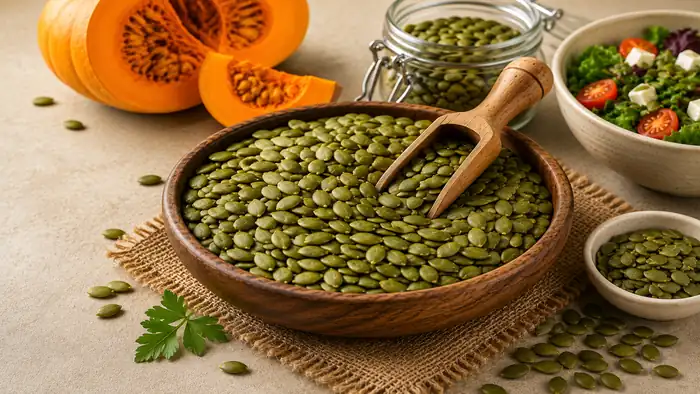
Pumpkin seeds, also known as pepitas, are small edible seeds packed with nutrients. Naturally rich in plant-based protein, dietary fibre, healthy fats, antioxidants, vitamins, and essential minerals, pumpkin seeds make a wholesome addition to everyday meals.
Whether enjoyed as a snack, sprinkled over salads, blended into smoothies, or added to homemade trail mixes, AnnGhar Raw Pumpkin Seeds offer a convenient way to include nutrient-dense foods in your daily diet.
Quick Answer
Pumpkin seeds are naturally rich in plant protein, dietary fibre, healthy unsaturated fats, magnesium, zinc, iron, phosphorus, and antioxidants. As part of a balanced diet, they provide valuable nutrients and are easy to enjoy in snacks, breakfast bowls, salads, smoothies, and baked recipes.
Key Takeaways
- Excellent source of plant-based protein.
- Rich in dietary fibre.
- Contains healthy unsaturated fats.
- Naturally high in magnesium and zinc.
- Provides iron and phosphorus.
- Contains naturally occurring antioxidants.
- Suitable for vegetarian and vegan diets.
- Easy to include in everyday meals.
People Also Ask
What are the health benefits of pumpkin seeds?
Pumpkin seeds naturally provide plant protein, dietary fibre, healthy fats, antioxidants, magnesium, zinc, iron, and phosphorus. They are a nutritious ingredient that can be enjoyed as part of a balanced diet.
Can I eat pumpkin seeds every day?
Yes. Most healthy adults can enjoy pumpkin seeds daily in moderation. Around 1–2 tablespoons (15–30 grams) is a commonly consumed serving size as part of a varied diet.
Are pumpkin seeds a good source of protein?
Yes. Pumpkin seeds naturally contain plant-based protein, making them a popular choice among vegetarians, vegans, and anyone looking to diversify their protein sources.
What Are Pumpkin Seeds?
Pumpkin seeds are the edible seeds found inside pumpkins. After harvesting, the seeds are cleaned, dried, and enjoyed either raw or roasted. Unlike the white shell commonly seen in whole pumpkin seeds, pepitas are the green edible kernels that are widely used in cooking.
Pumpkin seeds have a mild, nutty flavour and a pleasant crunch, making them a versatile ingredient for breakfast bowls, smoothies, salads, soups, baked goods, granola, and trail mixes.
Looking for premium-quality pumpkin seeds? Explore AnnGhar Raw Pumpkin Seeds, carefully sourced and hygienically packed for freshness and quality.
Pumpkin Seeds Nutrition Facts
According to USDA FoodData Central, pumpkin seeds provide an impressive combination of protein, healthy fats, dietary fibre, vitamins, and essential minerals.
| Nutrient | Approximate Value (Per 100 g) |
|---|---|
| Energy | 559 kcal |
| Protein | 30.2 g |
| Total Fat | 49.1 g |
| Carbohydrates | 10.7 g |
| Dietary Fibre | 6.0 g |
| Magnesium | 592 mg |
| Phosphorus | 1,233 mg |
| Zinc | 7.8 mg |
| Iron | 8.8 mg |
| Potassium | 809 mg |
Nutritional values are approximate and may vary depending on growing conditions, processing methods, and product variety.
1. Excellent Source of Plant-Based Protein
One of the standout health benefits of pumpkin seeds is their naturally high protein content. With approximately 30 grams of protein per 100 grams, pumpkin seeds are among the richest plant-based protein sources commonly eaten as seeds.
Protein contributes to the growth and maintenance of muscle mass and supports normal bones when consumed as part of a healthy, balanced diet.
Why Plant Protein Matters
- Helps build and maintain muscle.
- Supports tissue growth and repair.
- Suitable for vegetarian and vegan diets.
- Makes meals and snacks more satisfying.
2. Rich in Magnesium
Pumpkin seeds are naturally one of the richest dietary sources of magnesium, an essential mineral involved in hundreds of normal biochemical processes in the body.
Including magnesium-rich foods such as pumpkin seeds, nuts, legumes, whole grains, and leafy vegetables helps create a nutrient-rich eating pattern.
For even greater variety, combine pumpkin seeds with Organic Flax Seeds and Premium Chia Seeds.
3. Provides Healthy Unsaturated Fats
Pumpkin seeds naturally contain healthy unsaturated fats, including polyunsaturated and monounsaturated fatty acids. These fats are an important part of a balanced diet and contribute to the seeds’ rich, nutty flavour.
Adding pumpkin seeds to salads, grain bowls, yoghurt, or homemade snacks is an easy way to include healthy fats in everyday meals.
4. Good Source of Zinc and Iron
Pumpkin seeds naturally provide zinc and iron, two essential minerals that contribute to overall nutrition. They also supply phosphorus, potassium, manganese, and copper, making them one of the most mineral-rich edible seeds.
Eating a variety of seeds, nuts, legumes, fruits, vegetables, and whole grains helps ensure a diverse intake of essential nutrients.
Explore more wholesome options in AnnGhar’s Healthy Seeds Collection.
5. Naturally Rich in Antioxidants
Pumpkin seeds naturally contain antioxidants such as vitamin E and carotenoids, along with other plant compounds that contribute to their nutritional profile. Including antioxidant-rich foods as part of a varied diet is a simple way to increase dietary diversity.
A balanced eating pattern that includes fruits, vegetables, nuts, seeds, legumes, and whole grains provides a wide range of naturally occurring nutrients and beneficial plant compounds.
6. Excellent Source of Phosphorus
Pumpkin seeds are naturally high in phosphorus, providing approximately 1,233 mg per 100 grams. Phosphorus is an essential mineral found in bones, teeth, and body cells, making it an important part of a balanced diet.
Including foods such as pumpkin seeds, dairy products, legumes, fish, whole grains, and nuts helps increase dietary phosphorus intake through everyday meals.
7. Easy to Include in Everyday Meals
One of the biggest advantages of pumpkin seeds is their versatility. Their mild, nutty flavour pairs well with both sweet and savoury dishes, making them easy to enjoy throughout the day.
Simple Ways to Eat Pumpkin Seeds
- Enjoy them as a healthy snack.
- Sprinkle over salads.
- Add to smoothies.
- Mix into yoghurt.
- Top oatmeal or porridge.
- Add to homemade granola.
- Mix into trail mixes.
- Use in breads, muffins, and cookies.
You can also combine pumpkin seeds with AnnGhar Mixed Seeds to enjoy a wider variety of nutritious seeds in every serving.
8. Suitable for Vegetarian and Vegan Diets
Pumpkin seeds are naturally plant-based, making them an excellent choice for vegetarian and vegan lifestyles. Their combination of protein, healthy fats, dietary fibre, vitamins, and minerals complements a balanced eating pattern.
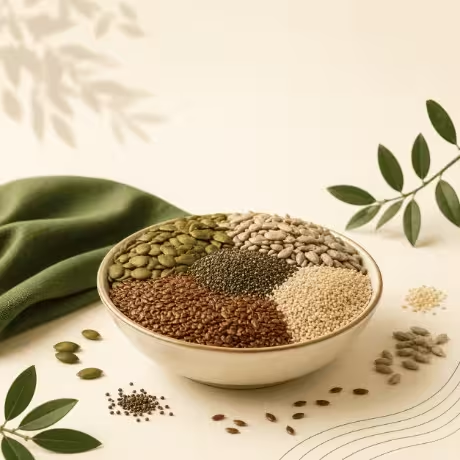
Many people enjoy combining pumpkin seeds with Premium Chia Seeds, Organic Flax Seeds, and Sunflower Seeds to prepare homemade seed mixes.
Pumpkin Seeds vs Sunflower Seeds
Pumpkin seeds and sunflower seeds are both nutritious options that can be included in a balanced diet. While they share many similarities, each has its own nutritional strengths.
| Feature | Pumpkin Seeds | Sunflower Seeds |
|---|---|---|
| Protein | Higher | Moderate |
| Magnesium | Very High | Moderate |
| Zinc | Higher | Lower |
| Vitamin E | Good Source | Excellent Source |
| Texture | Soft and chewy | Crisp and crunchy |
| Popular Uses | Salads, smoothies, trail mix | Snacks, baking, granola |
Both seeds provide valuable nutrients, and many people enjoy including both in their daily diet for greater nutritional variety.
How to Eat Pumpkin Seeds
Pumpkin seeds are incredibly versatile and can be enjoyed in a variety of meals throughout the day.
Breakfast
- Sprinkle over oatmeal.
- Add to yoghurt.
- Blend into smoothies.
- Top overnight oats.
Lunch
- Add to salads.
- Mix into grain bowls.
- Use as a soup topping.
Snacks
- Eat roasted pumpkin seeds.
- Prepare homemade trail mix.
- Make energy bites.
Baking
- Bread.
- Muffins.
- Cookies.
- Granola bars.
Explore our complete collection of Healthy Seeds for more wholesome ingredients.
Best Time to Eat Pumpkin Seeds
There is no single best time to eat pumpkin seeds. They can be enjoyed at breakfast, lunch, dinner, or as a healthy snack between meals.
| Time | Popular Ways to Enjoy |
|---|---|
| Morning | Oatmeal, yoghurt, smoothies |
| Afternoon | Trail mix, salads, snack bowls |
| Evening | Soups, grain bowls, roasted vegetables |
The key is consistency. Including pumpkin seeds regularly as part of a varied and balanced diet is more important than eating them at a specific time of day.
Recommended Daily Intake
Most healthy adults can comfortably enjoy 1–2 tablespoons (approximately 15–30 grams) of pumpkin seeds per day as part of a varied and balanced diet.
Daily Tips
- Start with a smaller serving if you are new to pumpkin seeds.
- Pair them with fruits, vegetables, legumes, and whole grains.
- Store in an airtight container in a cool, dry place.
- Enjoy them raw or lightly roasted without excessive salt.
Who Should Be Careful?
Pumpkin seeds are suitable for most people when consumed as part of a balanced diet. However, individual nutritional needs vary. If you have food allergies, digestive concerns, or a medical condition requiring dietary restrictions, consult a qualified healthcare professional before making significant dietary changes.
- Consume in moderation as part of a balanced diet.
- Choose unsalted varieties where possible.
- Store properly to maintain freshness.
- Drink enough water when increasing your intake of fibre-rich foods.
Frequently Asked Questions (FAQs)
1. What are the health benefits of pumpkin seeds?
Pumpkin seeds are naturally rich in plant-based protein, dietary fibre, healthy unsaturated fats, magnesium, zinc, iron, phosphorus, and antioxidants. They are a nutritious addition to a balanced diet and can be enjoyed in a variety of everyday meals.
2. Can I eat pumpkin seeds every day?
Yes. Most healthy adults can enjoy pumpkin seeds daily in moderation. A serving of around 1–2 tablespoons (15–30 grams) is commonly included as part of a varied and balanced diet.
3. Are pumpkin seeds a good source of protein?
Yes. Pumpkin seeds naturally contain approximately 30 grams of plant-based protein per 100 grams, making them one of the richest protein sources among edible seeds.
4. Are pumpkin seeds suitable for vegetarians and vegans?
Absolutely. Pumpkin seeds are naturally plant-based and are widely enjoyed by vegetarians and vegans as a source of protein, healthy fats, fibre, vitamins, and minerals.
5. Can pumpkin seeds be eaten raw?
Yes. Pumpkin seeds can be enjoyed both raw and lightly roasted. Many people add them to salads, smoothies, yoghurt, oatmeal, trail mixes, and baked recipes.
6. How should pumpkin seeds be stored?
Store pumpkin seeds in an airtight container in a cool, dry place away from direct sunlight. Refrigeration can help maintain freshness, especially in warm climates.
7. Are pumpkin seeds naturally gluten-free?
Yes. Pumpkin seeds are naturally gluten-free. Individuals with coeliac disease or gluten sensitivity should check product labels for allergen and cross-contamination information.
8. Can pumpkin seeds be mixed with other seeds?
Yes. Pumpkin seeds pair well with Premium Chia Seeds, Organic Flax Seeds, Sunflower Seeds, and AnnGhar Mixed Seeds to create a nutritious seed blend.
9. What is the recommended daily intake of pumpkin seeds?
A daily serving of approximately 15–30 grams (1–2 tablespoons) is commonly enjoyed by healthy adults as part of a balanced eating pattern.
10. Where can I buy premium-quality pumpkin seeds?
You can purchase AnnGhar Raw Pumpkin Seeds, carefully sourced and hygienically packed to preserve freshness, taste, and quality.
Summary
Pumpkin seeds may be small, but they deliver an impressive nutritional profile. Naturally rich in plant-based protein, dietary fibre, healthy fats, magnesium, zinc, iron, phosphorus, and antioxidants, they are an easy way to add wholesome nutrition to everyday meals.
Their mild, nutty flavour makes them incredibly versatile. Whether sprinkled over salads, mixed into yoghurt, blended into smoothies, or enjoyed as a convenient snack, pumpkin seeds fit seamlessly into a balanced lifestyle.
Including pumpkin seeds alongside fruits, vegetables, legumes, whole grains, nuts, and other seeds can help create a more varied and nutrient-rich diet.
Why Choose AnnGhar Raw Pumpkin Seeds?
At AnnGhar, we believe that great nutrition starts with premium-quality ingredients. Our Raw Pumpkin Seeds are carefully sourced, hygienically packed, and sealed to preserve their natural freshness, taste, and nutritional value.
Expand your healthy pantry with our complete range of Healthy Seeds, including Premium Chia Seeds, Organic Flax Seeds, Sunflower Seeds, Sabja Seeds, and Mixed Seeds.
You can also explore our collections of Premium Dry Fruits, Premium Nuts, Best Sellers, and New Arrivals.
References
The nutritional information and general dietary guidance presented in this article are based on reputable public sources, including:
- USDA FoodData Central
- Harvard T.H. Chan School of Public Health
- National Institutes of Health (NIH)
- Academy of Nutrition and Dietetics
- World Health Organization (WHO)
This article is intended for educational purposes only and should not replace personalised medical or nutritional advice. If you have a medical condition, are pregnant, breastfeeding, or have specific dietary requirements, consult a qualified healthcare professional before making significant dietary changes.
Fuel your day the healthy way
Discover premium, hand-picked dry fruits, nuts and seeds.

Related Articles
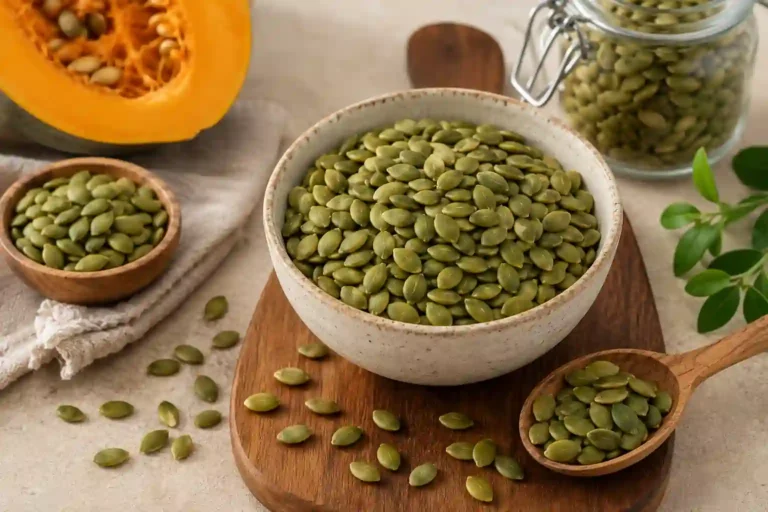
How to Eat Pumpkin Seeds: 10 Easy Ways to Add Them to Your Daily Diet
Wondering how to eat pumpkin seeds without making your meals complicated? Pumpkin seeds are one of the easiest…
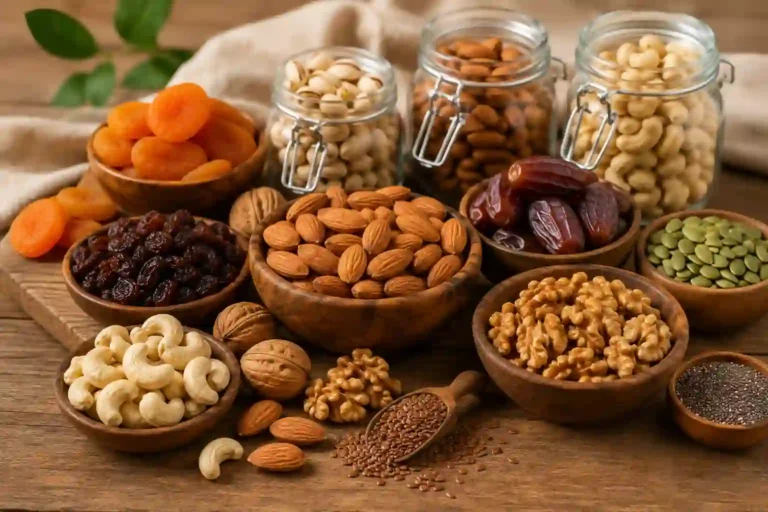
How to Store Dry Fruits Properly to Keep Them Fresh Longer
Dry fruits are a convenient way to add flavour, texture and nutrition to everyday meals and snacks. But…
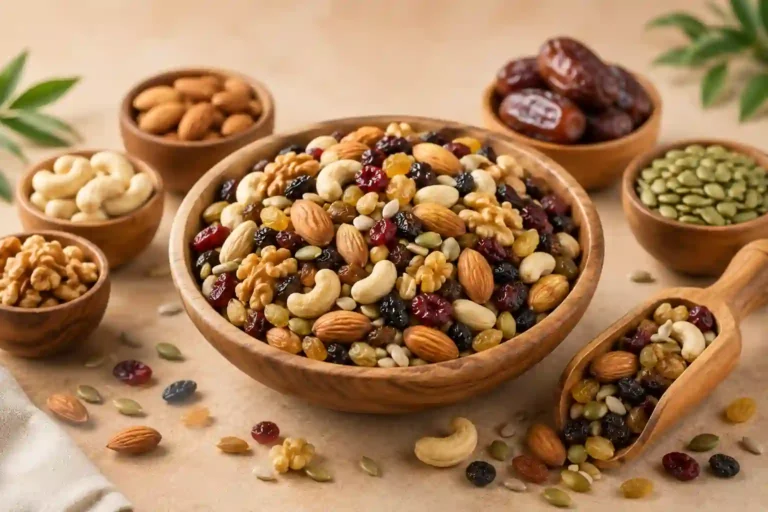
Create Your Own Dry Fruit Mix with AnnGhar Mix Builder
Why settle for a ready-made mix when you can create one based on your own taste, preferences, and…