

How to Eat Chia Seeds: 10 Easy Ways, Daily Intake & Best Practices
Chia seeds are one of the easiest superfoods to include in your daily diet. Whether you enjoy them soaked, blended into smoothies, sprinkled over yoghurt, or mixed into overnight oats, these tiny seeds can add fibre, plant-based protein, healthy fats, and essential nutrients to your meals.
In this guide, you’ll learn the best ways to eat chia seeds, how to soak them properly, recommended daily intake, common mistakes to avoid, and simple recipe ideas. If you’re looking for high-quality seeds, explore AnnGhar Premium Chia Seeds, carefully sourced and hygienically packed for freshness.
Quick Answer
The best way to eat chia seeds is by soaking them in water or milk for 20–30 minutes before adding them to smoothies, overnight oats, yoghurt, puddings, salads, or baked recipes. Most healthy adults can enjoy 1–2 tablespoons (15–30 grams) of chia seeds daily as part of a balanced diet.
Key Takeaways
- Chia seeds can be eaten soaked or dry.
- Soaking creates a soft, gel-like texture.
- Add them to smoothies, yoghurt, oats, salads, or desserts.
- Drink enough water when consuming chia seeds.
- 1–2 tablespoons per day is a common serving size.
- Store in an airtight container to maintain freshness.
- Pair with other healthy seeds for added variety.
- Choose premium-quality chia seeds for the best taste and texture.
People Also Ask
Can you eat chia seeds without soaking them?
Yes. Chia seeds can be eaten dry by sprinkling them over yoghurt, cereals, fruit, or salads. However, many people prefer soaking them because they absorb liquid and develop a soft, gel-like texture that’s ideal for puddings and overnight oats.
How long should chia seeds be soaked?
For most recipes, soak chia seeds for at least 20–30 minutes. For a thicker consistency, such as chia pudding, soaking them overnight in the refrigerator works best.
Can I eat chia seeds every day?
Yes. Most healthy adults can enjoy chia seeds daily in moderation. A serving of approximately 1–2 tablespoons is commonly included as part of a balanced diet.
Why Eat Chia Seeds?
Chia seeds are tiny edible seeds obtained from the plant Salvia hispanica. Despite their small size, they are naturally rich in dietary fibre, plant-based protein, omega-3 fatty acids, antioxidants, and minerals such as calcium, magnesium, and phosphorus.
Their mild flavour means they blend easily into both sweet and savoury recipes without overpowering other ingredients. This versatility makes them one of the easiest nutritious ingredients to include in everyday meals.
Want to learn more about their nutritional value? Read our guide on Health Benefits of Chia Seeds.
1. Soak Chia Seeds in Water
One of the most popular ways to eat chia seeds is by soaking them in water. As they absorb liquid, they expand and form a soft, gel-like texture that’s easy to enjoy in many recipes.
How to Soak Chia Seeds
- Add 1 tablespoon of chia seeds to 250 ml of water.
- Stir well to prevent clumping.
- Leave for 20–30 minutes.
- For a thicker consistency, refrigerate overnight.
You can add lemon juice, mint, or fresh fruit for extra flavour.
2. Add Chia Seeds to Smoothies
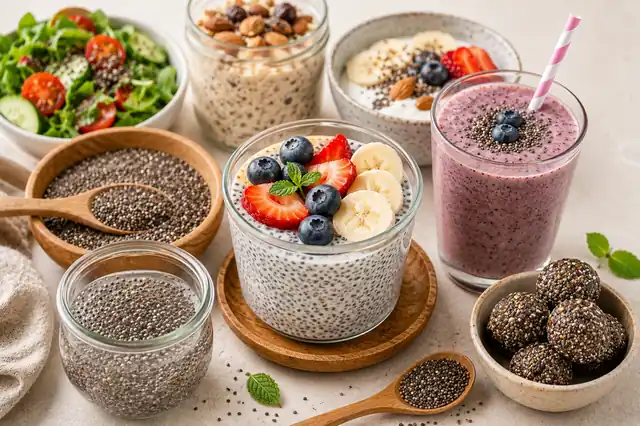
Smoothies are one of the easiest ways to include chia seeds in your diet. Blend soaked or dry chia seeds with fruits, yoghurt, milk, or plant-based alternatives to create a nutritious breakfast or snack.
Popular Smoothie Ingredients
- Banana
- Mango
- Strawberries
- Blueberries
- Spinach
- Greek yoghurt
- Almond milk
Adding one tablespoon of AnnGhar Premium Chia Seeds is an easy way to enhance your smoothie.
3. Mix Chia Seeds with Yoghurt
Yoghurt and chia seeds make a simple and satisfying combination. Stir one tablespoon of chia seeds into plain or flavoured yoghurt and top with fresh fruits, nuts, or honey for a delicious snack.
For extra crunch and nutrition, add California Almonds, Premium Walnut Kernels, or AnnGhar Mixed Seeds.
4. Prepare Overnight Oats
Overnight oats are a convenient breakfast option. Simply combine oats, milk, chia seeds, and your favourite fruits in a jar, then refrigerate overnight.
Basic Overnight Oats Recipe
- ½ cup rolled oats
- 1 tablespoon chia seeds
- 1 cup milk or plant-based milk
- Fresh berries
- Optional honey or maple syrup
By morning, the chia seeds absorb liquid and help create a creamy texture that’s ready to enjoy.
5. Make Chia Pudding
Chia pudding is one of the most popular recipes because it’s easy to prepare and highly customisable. Simply mix chia seeds with milk, stir well, and refrigerate until thick.
Simple Chia Pudding Recipe
- 2 tablespoons chia seeds
- 1 cup milk or almond milk
- 1 teaspoon honey (optional)
- Fresh berries or sliced banana
- Chopped nuts for topping
For extra variety, garnish your pudding with Raw Pumpkin Seeds or Sunflower Seeds.
6. Sprinkle Chia Seeds Over Salads
If you’re looking for a quick and effortless way to enjoy chia seeds, simply sprinkle them over your favourite salads. They add a mild nutty flavour, a pleasant crunch, and extra nutritional value without changing the overall taste of your meal.
Chia seeds pair well with leafy greens, cucumber, tomatoes, avocado, carrots, sweet corn, and grilled vegetables. They can also be combined with premium nuts such as California Almonds or Walnut Kernels for added texture.
7. Use Chia Seeds in Baking
Chia seeds can easily be incorporated into homemade baked recipes. Their mild taste makes them suitable for both sweet and savoury dishes.
You Can Add Chia Seeds To:
- Whole wheat bread
- Muffins
- Pancakes
- Cookies
- Banana bread
- Energy bars
- Granola
Simply mix 1–2 tablespoons of chia seeds into your batter before baking.
8. Make Homemade Energy Balls
Energy balls are an excellent snack for busy days. They require no baking and can be prepared in just a few minutes.
Simple Energy Ball Recipe
- 1 cup rolled oats
- 2 tablespoons chia seeds
- 2 tablespoons peanut butter
- 1 tablespoon honey
- Chopped almonds
- Optional cocoa powder
Mix all the ingredients, roll into bite-sized balls, and refrigerate for at least 30 minutes before serving.
9. Add Chia Seeds to Fresh Fruit Bowls
Fresh fruit bowls become even more satisfying when topped with chia seeds. Simply sprinkle one tablespoon over seasonal fruits for added texture and nutrition.
Popular Fruit Combinations
- Banana and strawberries
- Apple and pomegranate
- Mango and kiwi
- Papaya and blueberries
- Mixed seasonal fruits
For an even more wholesome snack, pair your fruit bowl with AnnGhar Mixed Seeds.
10. Prepare Homemade Trail Mix
Trail mix is one of the easiest healthy snacks to prepare at home. Combining chia seeds with premium nuts, seeds, and dried fruits creates a delicious mix that’s easy to carry while travelling or working.
Try This Trail Mix
- Chia Seeds
- California Almonds
- Walnut Kernels
- Pumpkin Seeds
- Sunflower Seeds
- Raisins
- Dried Apricots
Explore AnnGhar’s collection of Premium Dry Fruits, Nuts, and Healthy Seeds to create your own nutritious trail mix.
Best Time to Eat Chia Seeds
One of the most common questions is whether there’s a perfect time to eat chia seeds. The good news is that there isn’t a single “best” time. You can enjoy them whenever they fit into your daily routine.
| Time of Day | Popular Ways to Enjoy Chia Seeds |
|---|---|
| Morning | Overnight oats, smoothies, yoghurt, fruit bowls |
| Afternoon | Salads, trail mix, healthy snacks |
| Evening | Soups, grain bowls, chia pudding, desserts |
Consistency is more important than timing. Choose a time that fits comfortably into your lifestyle so you can enjoy chia seeds regularly.
Recommended Daily Intake
For most healthy adults, 1–2 tablespoons (approximately 15–30 grams) of chia seeds per day is a commonly recommended serving size when included as part of a balanced diet.
Daily Serving Tips
- Start with 1 tablespoon if you’re new to chia seeds.
- Increase gradually according to your dietary preferences.
- Drink enough water throughout the day.
- Combine chia seeds with a variety of fruits, vegetables, nuts, and whole grains.
Common Mistakes to Avoid
1. Eating Too Much at Once
Chia seeds are naturally high in fibre. If you’re new to them, begin with smaller portions and increase gradually.
2. Not Drinking Enough Water
Since chia seeds absorb a significant amount of liquid, staying hydrated throughout the day is important.
3. Not Stirring While Soaking
Stir the seeds immediately after adding them to water or milk to prevent clumping.
4. Poor Storage
Always store chia seeds in an airtight container in a cool, dry place away from moisture and direct sunlight.
5. Depending on One Food Alone
While chia seeds are nutritious, a healthy lifestyle depends on a varied and balanced diet. Include a range of fruits, vegetables, whole grains, legumes, nuts, and seeds to meet your nutritional needs.
Storage Tips
- Keep in a sealed, airtight container.
- Store in a cool, dry cupboard.
- Avoid direct sunlight and humidity.
- Use a dry spoon when handling the seeds.
- Check the best-before date on the package.
Frequently Asked Questions (FAQs)
1. Can chia seeds be eaten raw?
Yes. Chia seeds can be eaten raw by sprinkling them over yoghurt, cereals, salads, fruit bowls, or smoothies. Many people also prefer soaking them to create a soft, gel-like texture that works well in puddings and overnight oats.
2. Is it better to soak chia seeds before eating?
Soaking chia seeds is optional but popular because it improves their texture and makes them ideal for recipes like chia pudding, overnight oats, and smoothies. If you eat them dry, ensure you drink enough water throughout the day.
3. How much chia seeds should I eat daily?
For most healthy adults, 1–2 tablespoons (approximately 15–30 grams) per day is a commonly recommended serving size when included as part of a balanced diet.
4. Can I add chia seeds to hot food?
Yes. Chia seeds can be added to oatmeal, soups, pancakes, muffins, bread, and other cooked dishes. They have a mild flavour that blends well with many recipes.
5. Can children eat chia seeds?
Children can generally enjoy chia seeds in age-appropriate portions as part of a varied diet. If you have concerns about introducing new foods, seek advice from a qualified healthcare professional.
6. Can chia seeds be eaten at night?
Yes. Chia seeds can be enjoyed at any time of the day, including breakfast, lunch, or dinner. The best time is whichever fits comfortably into your daily routine.
7. Can I mix chia seeds with milk?
Absolutely. Chia seeds absorb milk and develop a creamy texture, making them ideal for chia pudding, overnight oats, smoothies, and healthy desserts.
8. Can chia seeds be mixed with other seeds?
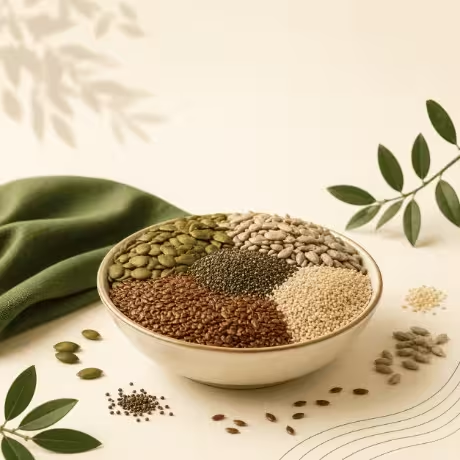
Yes. Many people combine chia seeds with Organic Flax Seeds, Pumpkin Seeds, Sunflower Seeds, and AnnGhar Mixed Seeds for greater variety.
9. How should chia seeds be stored?
Store chia seeds in a clean, airtight container in a cool, dry place away from sunlight and moisture. Proper storage helps maintain freshness and flavour.
10. Where can I buy premium chia seeds online?
You can shop AnnGhar Premium Chia Seeds, carefully sourced and hygienically packed for quality and freshness.
Summary
Chia seeds are one of the easiest ingredients to include in a healthy eating routine. They can be soaked, blended into smoothies, stirred into yoghurt, added to overnight oats, sprinkled over salads, baked into homemade recipes, or used to prepare delicious puddings and trail mixes.
Their versatility, mild flavour, and impressive nutritional profile make them a convenient addition to balanced meals throughout the day. Start with a moderate serving, stay hydrated, and experiment with different recipes to discover what you enjoy most.
Why Choose AnnGhar Premium Chia Seeds?
At AnnGhar, we believe that quality ingredients are the foundation of healthy eating. Our Premium Chia Seeds are carefully sourced and hygienically packed to help preserve freshness, texture, and natural goodness.
Looking to build a nutritious pantry? Explore our complete range of Healthy Seeds, including Flax Seeds, Pumpkin Seeds, Sunflower Seeds, Sabja Seeds, and Mixed Seeds.
You can also browse our collections of Premium Dry Fruits, Nuts, Best Sellers, and New Arrivals.
Related Articles
References
This article is based on information from recognised nutrition and public health resources, including:
- USDA FoodData Central
- Harvard T.H. Chan School of Public Health
- National Institutes of Health (NIH)
- World Health Organization (WHO)
- Academy of Nutrition and Dietetics
The information provided is for educational purposes only and should not be considered medical advice. If you have a medical condition, dietary restrictions, are pregnant, or are breastfeeding, consult a qualified healthcare professional before making significant dietary changes.
Fuel your day the healthy way
Discover premium, hand-picked dry fruits, nuts and seeds.

Related Articles
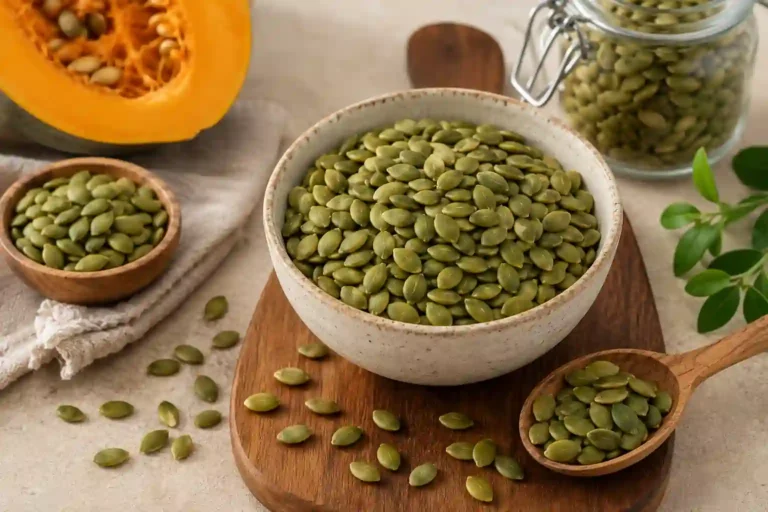
How to Eat Pumpkin Seeds: 10 Easy Ways to Add Them to Your Daily Diet
Wondering how to eat pumpkin seeds without making your meals complicated? Pumpkin seeds are one of the easiest…
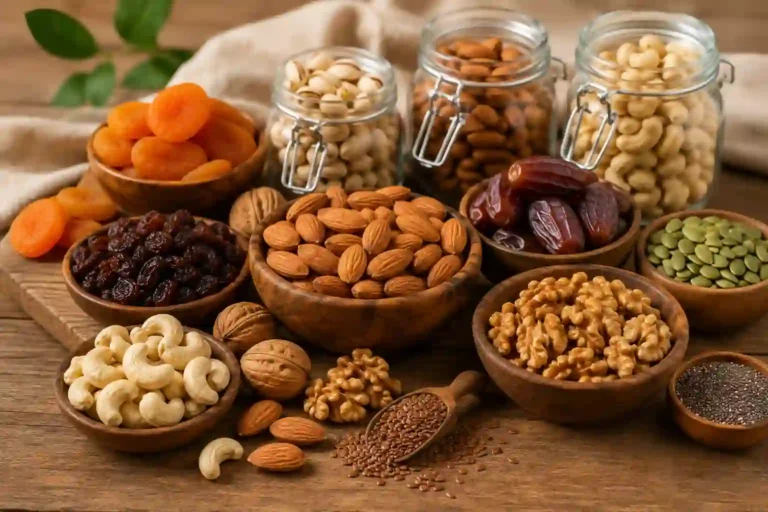
How to Store Dry Fruits Properly to Keep Them Fresh Longer
Dry fruits are a convenient way to add flavour, texture and nutrition to everyday meals and snacks. But…
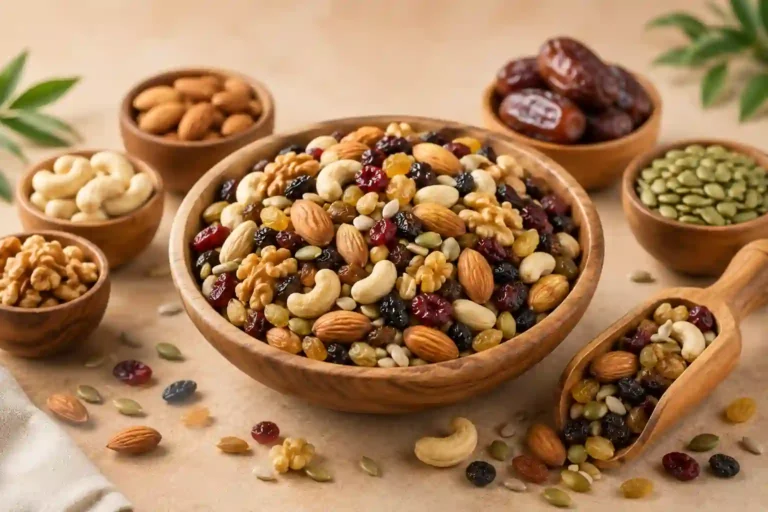
Create Your Own Dry Fruit Mix with AnnGhar Mix Builder
Why settle for a ready-made mix when you can create one based on your own taste, preferences, and…